
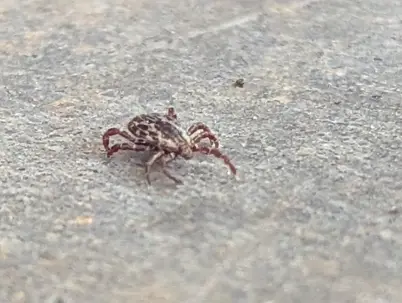
Ticks: Why Your Backyard May Be Riskier Than You Think
It’s Tick Awareness Week (May 3-9, 2026), a critical time for families to recognize the hidden dangers in their own backyards. While many homeowners assume their standard pest control has them covered, ticks require a completely different strategy. In our region, a "general" service rarely addresses the specific habitats where ticks thrive.
Most residential pest control services focus on the perimeter of your home to keep ants and roaches out. Ticks, however, don't live in your walls—they live in your landscape.
- Yard Service is Essential: Ticks are outdoor parasites that wait in tall grass and leaf litter. A specialized yard service is required to treat the "questing" zones where they wait to hitch a ride on you or your pets.
- Targeted Products: Ticks require specific acaricides and application methods, like high-pressure backpack sprayers, to reach deep into dense foliage and brush.
- Life Cycle Control: Specialized treatments are often needed to target the rodents and wildlife around the structure that are carrying immature ticks, to stop the infestation at the source.
Common Tick Culprits in OK & TX
Our warm, moist climate makes this region a hotspot for several dangerous species:
Tick Species | Identifying Features | Why They Are a Problem | |
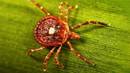
Lone Star Tick |
| Adult females have a single white dot on their back. | The most common tick in OK/TX; known for aggressive biting and can cause Alpha-gal syndrome (red meat allergy). |
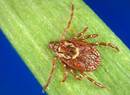
American Dog Tick |
| Large and brown with white/grey markings on the back. | Primary carrier of Rocky Mountain Spotted Fever; commonly found on domestic dogs. |
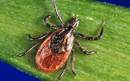
Black-legged (Deer) Tick |
| Very small, reddish-brown body with dark black legs. | The primary vector for Lyme Disease. |
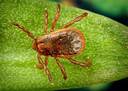
Brown Dog Tick |
| Uniformly reddish-brown; lacks prominent markings. | Unique because it can complete its entire life cycle indoors, infesting homes and kennels. |
The Three-Step Protection Plan
To keep your family safe this season, experts recommend a "layered" defense:
- Protect Yourself: Wear light-colored clothing and long sleeves when outdoors. Use family-safe insect repellents.
- Maintain Your Yard: Keep grass mowed to 3 inches or less. Clear out leaf litter and brush piles where ticks hide. Create a 3-foot wide "dry barrier" of wood chips or gravel between your lawn and any wooded areas.
- Treat Your Pets: Use veterinarian-approved tick preventatives (collars, topicals, or tablets) year-round. Check your pets daily, especially around the ears, neck, and between the toes, after they've been outside.
This Tick Awareness Week, don't wait for a bite to take action. If you enjoy your backyard, ensure your pest plan includes a dedicated tick yard treatment to create a true safety zone for your family.